Drones are now used everywhere in India — from land-record mapping and infrastructure inspection to agriculture and film-making. If you want to fly drones professionally, you need a Remote Pilot Certificate (RPC) issued by the Directorate General of Civil Aviation (DGCA). This guide explains how the process works.
What is a Remote Pilot Certificate?
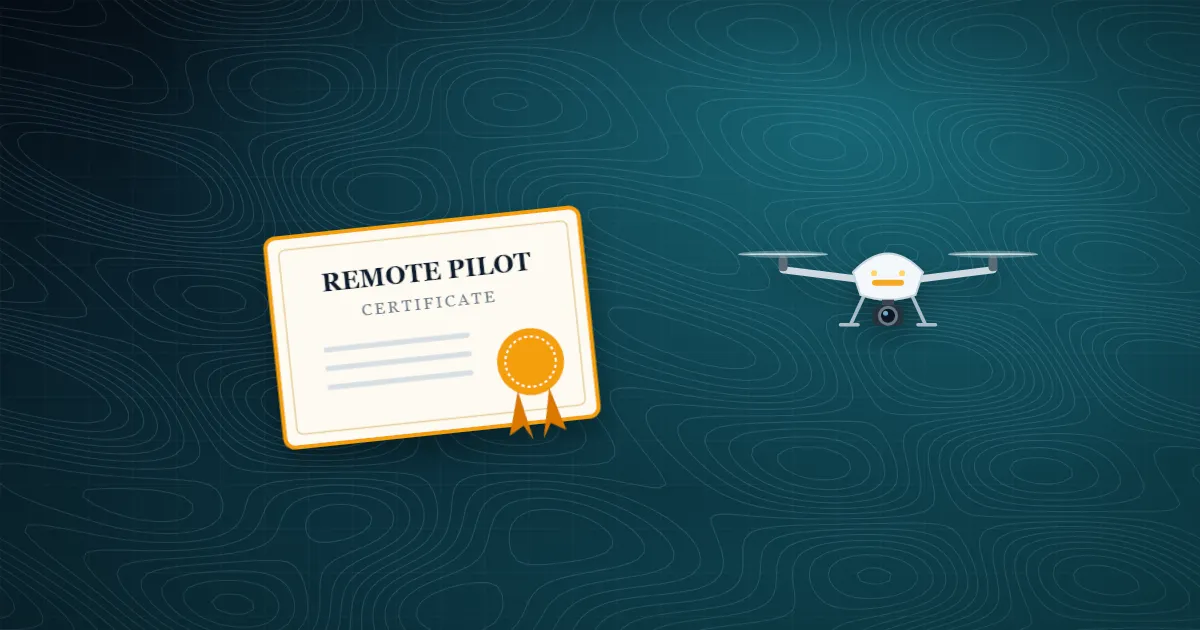
The RPC is the official licence that allows an individual to operate drones in India. It is issued by DGCA through the DigitalSky platform to candidates who complete training and pass the assessment at a DGCA-authorised Remote Pilot Training Organisation (RPTO).
Who is eligible?
- Age between 18 and 65 years
- Passed Class 10th or equivalent from a recognised board
- Valid government identity proof
Drone categories you should know
The Drone Rules classify drones by their all-up weight:
| Category | All-up weight |
|---|---|
| Nano | Up to 250 g |
| Micro | 250 g – 2 kg |
| Small | 2 kg – 25 kg |
| Medium | 25 kg – 150 kg |
| Large | Above 150 kg |
Most survey, mapping and inspection drones fall in the micro and small categories, and commercial operation of these requires a certified remote pilot.
Step-by-step: getting your RPC
- Choose a DGCA-authorised RPTO. Training must be completed at an authorised organisation — check that the institute is listed as an RPTO.
- Ground school. Learn drone regulations, airspace zones (green, yellow and red), the DigitalSky platform, basic aerodynamics, weather and emergency procedures.
- Simulator training. Practise controls and failure scenarios safely on a flight simulator before flying a real aircraft.
- Practical flying. Fly DGCA-registered drones under instructor supervision — take-off, hovering, manoeuvres, missions and landing.
- Assessment. Clear the theory and practical skill test conducted by the RPTO.
- Certificate issue. After successful completion, the RPC is issued through DigitalSky.
Career opportunities after the RPC
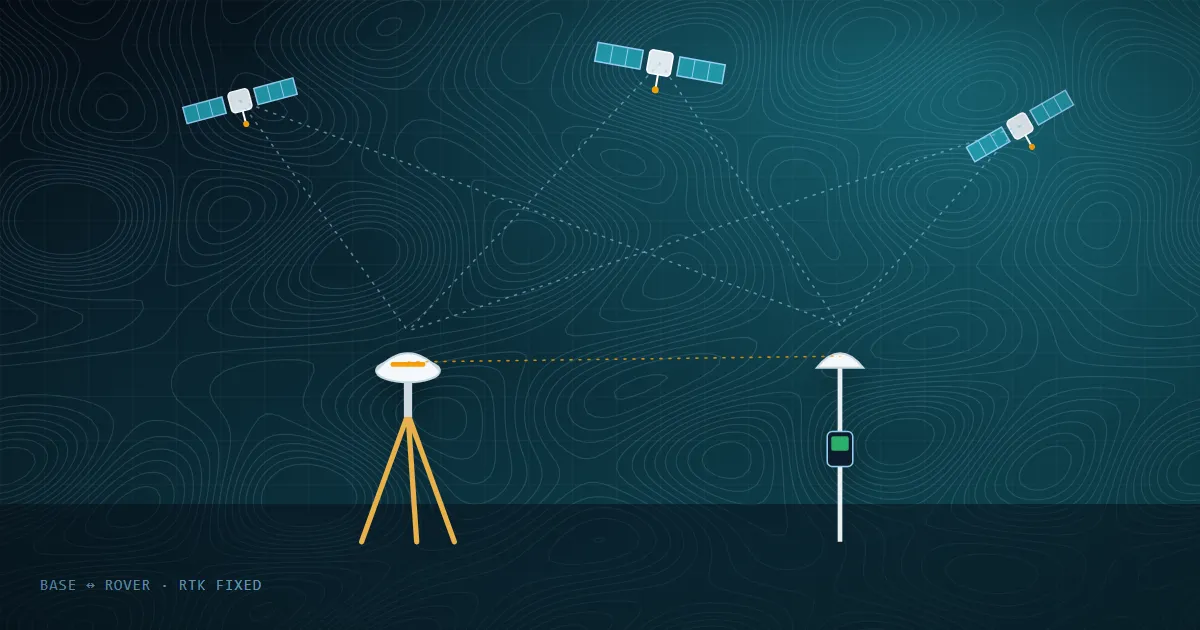
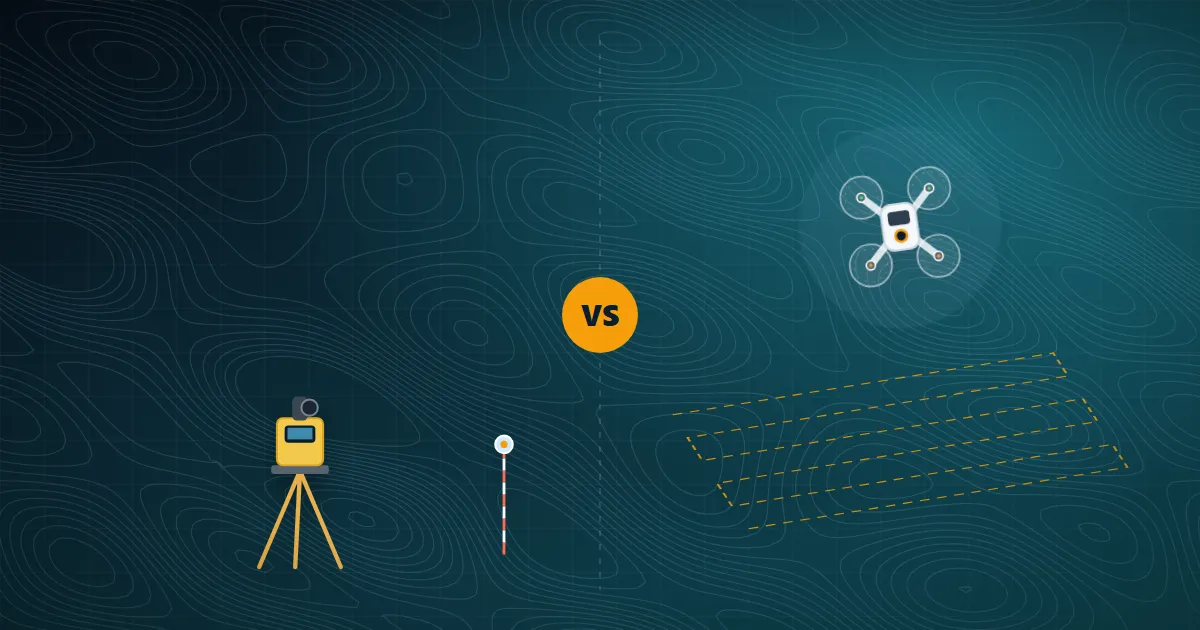
Certified pilots work in drone surveying and mapping, infrastructure and power-line inspection, agriculture spraying, disaster management, media production and with government programmes that use drones for land records. Combining the RPC with surveying skills such as DGPS and photogrammetry makes you especially valuable to survey and engineering firms.
Train at TGSPL's RPTO in Dehradun
Topographical Geo Solution Pvt. Ltd. operates a DGCA-authorised RPTO at the JB Institute of Technology campus, Selaqui, Dehradun — with a dedicated classroom, drone assembly lab, flight simulator station and an obstacle-free flying ground. Explore the RPTO academy or register for the next batch.
Drone regulations are updated from time to time. Always check the latest notifications on the DGCA and DigitalSky portals before you fly.